
It's a pleasure to take part in the BlogTour A Gypsy in Auschwitz by Otto Rosenberg, as told to Ulrich Enzensberger and translated by Maisie Musgrave.

About the Author
Otto Rosenberg was born in East Prussia in 1927 and grew up in Berlin. He was 9 when he was sent to the Roma and Sinti camp in Marzahn, ahead of the 1936 Olympic Games, and 15 when he was sent to Auschwitz. He was then detained in Buchenwald and Bergen-Belsen concentration camps before being freed in 1945.
In later years, Rosenberg was the chairman of the Regional Association of German Sinti and Romanies Berlin-Brandenburg and fathered seven children. He passed away in 2001.
Otto’s daughter, Petra Rosenberg, is the current Director of the Central Council of German Sinti and Roma Berlin-Brandenburg.

Otto Rosenberg is 9 and living in Berlin, poor but happy, when his family are first detained. All around them, Sinti and Roma families are being torn from their homes by Nazis , leaving behind schools, jobs, friends, and businesses to live in forced encampments outside the city. One by one, families are broken up, adults and children disappear or are ‘sent East’.
Otto arrives in Auschwitz aged 15 and is later transferred to Buechenwald and Bergen-Belsen. He works, scrounges food whenever he can, witnesses and suffers horrific violence and is driven close to death by illness more than once. Unbelievably, he also joins an armed revolt of prisoners who, facing the SS and certain death, refuse to back down. Somehow, through luck, sheer human will to live, or both, he survives.
The stories of Sinti and Roma suffering in Nazi Germany are all too often lost or untold. In this haunting account, Otto shares his story with a remarkable simplicity. Deeply moving, A Gypsy in Auschwitz is the incredible story of how a young Sinti boy miraculously survived the unimaginable darkness of the Holocaust.
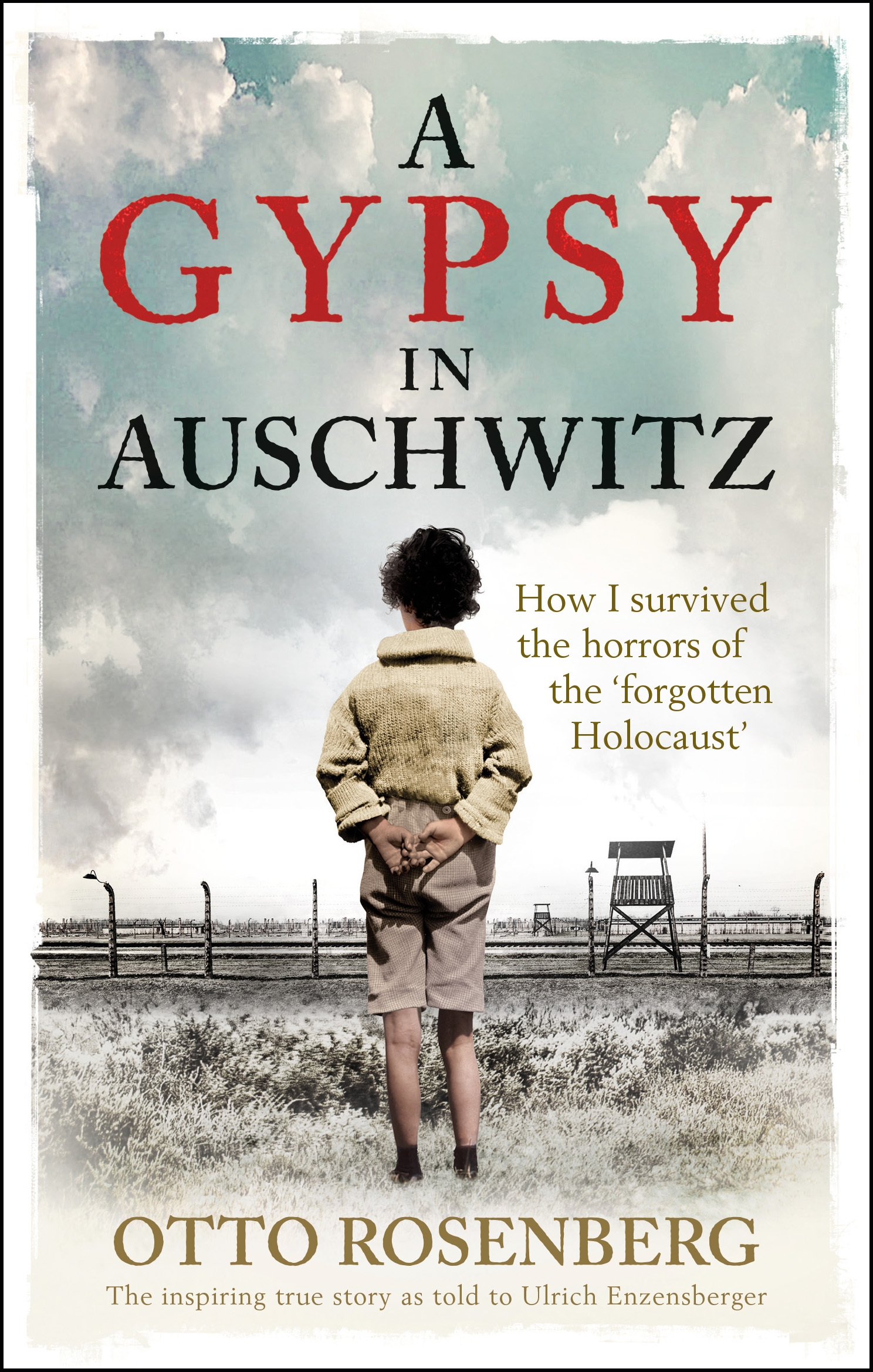
Otto is a mere nine years of age when he and his family are ripped from the comfort of their community and forced to fight to survive in the Marzahn camp. A labour camp with no housing or facilities that was filled with Sinti and Roma. They were targeted with a similar frenzy as the Jews were, because of their alleged racial impurity.
This is the story of a young boy who managed to survive the most vicious and deadly of concentration camps. A child who lost his family and friends, and yet despite his age was brave enough to try and stand up for himself and others by joining a revolt against his captors.
It's not unusual for someone who has suffered extreme trauma to disassociate themselves from the events, which is why autobiographies and first-hand accounts can sometimes appear a little to be told or written with a lack of emotion. It's a coping mechanism, keeping the memories and distress at bay, whilst making sure loved ones and victims are never forgotten.
What's equally important is the intergenerational trauma - epigenetic trauma is fascinating and tragic. Imagine being so traumatised that it seeps into the very fabric of your being, your chemistry even. Post-war Holocaust generations are aware of this and the impact, despite often never being privy to the real details and finer details of said trauma.
It remains vital that the stories of Holocaust survivors are told and heard, regardless of whether they are alive or not. Documentation, eyewitness accounts and first-hand stories are pivotal, as the years pass and the younger generations are introduced to either a whitewashed version, alternative facts such as ludicrous denials or simply no information at all.
I have read a lot of Holocaust accounts, and am simultaneously disappointed and disturbed that there are still so many facts and stories hidden in the folds of history. The Roma and Sinti persecution tends to stand in the shadow of the other persecuted groups. I think what really rattled my cage about Otto's account was recognising the bureaucracy of the German nation, which is still a foundation of their structure today. The bureaucracy that stops the nomad community from receiving their financial dues, ergo still oppressing them with the efficiency of the Nazi party.
The way they meticulously transcribed everything, and as we can see in this book those records and the use of that data, become relevant and remaining so for many years afterwards. Also that the way these war criminals, and they are criminals, just slid into important roles in every industry in the post-war era. No punishment or accountability, instead the victims were victimised further by having to watch the guilty live without the burden of trauma, and what's worse they have to live with the murderers among them.
It's an important read - one that should be taught in school and one we should be telling and retelling, so Otto and his experience never fall foul of the system that forgets and history that swallows up the voices of so many innocents. I won't forget Otto, his family or his community.
Buy A Gypsy in Auschwitz at Amazon Uk or go to Goodreads for any other retailer. Buy at Amazon com.

.jpg)
